Make Paper Your Most Powerful Thinking Tool

Today we dive into Analog PKM: Paper-Based Systems that Work, a practical approach to capturing ideas, organizing commitments, and developing knowledge with notebooks, index cards, and simple routines. Expect field-tested frameworks, tactile tools, and compassionate workflows that survive busy weeks. Bring your pen, curiosity, and a willingness to iterate, and share your experiments so our community can learn from your wins and stumbles.

Why Writing by Hand Still Outperforms Apps

Cognitive Grip Through Tactile Notes

Underlining with a favorite pen, boxing a key verb, or drawing a quick diagram builds memory traces screens rarely match. Your hand moves, your eyes land, and the page becomes a map. Later, those marks trigger immediate context, reducing reread time and restoring momentum exactly when fatigue threatens.
Attention by Design, Not by Notification

When you open a notebook, you enter a single-purpose environment with zero algorithmic tug. The absence of tabs and alerts reduces task switching, which preserves working memory. Many readers report calmer mornings by beginning analog, then transcribing only what truly deserves calendar time or a tracked project.

Embodied Recall and Spatial Anchors

Our brains encode where on the page insights live: top-left sketches, bottom margin summaries, the blue index card with a coffee ring. These spatial cues accelerate retrieval. Use consistent layouts and small symbols so your future self can scan quickly, feel oriented, and act without hesitation.

Runway: A Simple, Ubiquitous Capture Habit

Carry one capture tool everywhere, even at home. Inboxes can be an index card in your wallet, a half sheet on your desk, or the first page of a daily notebook. Write quickly, label lightly, and process later with merciless clarity so nothing lingers ambiguously.

Index That Scales: Tags, Numbers, and Cross-Links

Assign each note or card a simple identifier, like 12a or 4/7/26-3. Add two or three tags, and whenever a connection appears, cross-reference with page numbers or card IDs. Over time, this web becomes a finder’s superpower, surfacing patterns during reviews and project planning.

Proven Paper Frameworks That Deliver

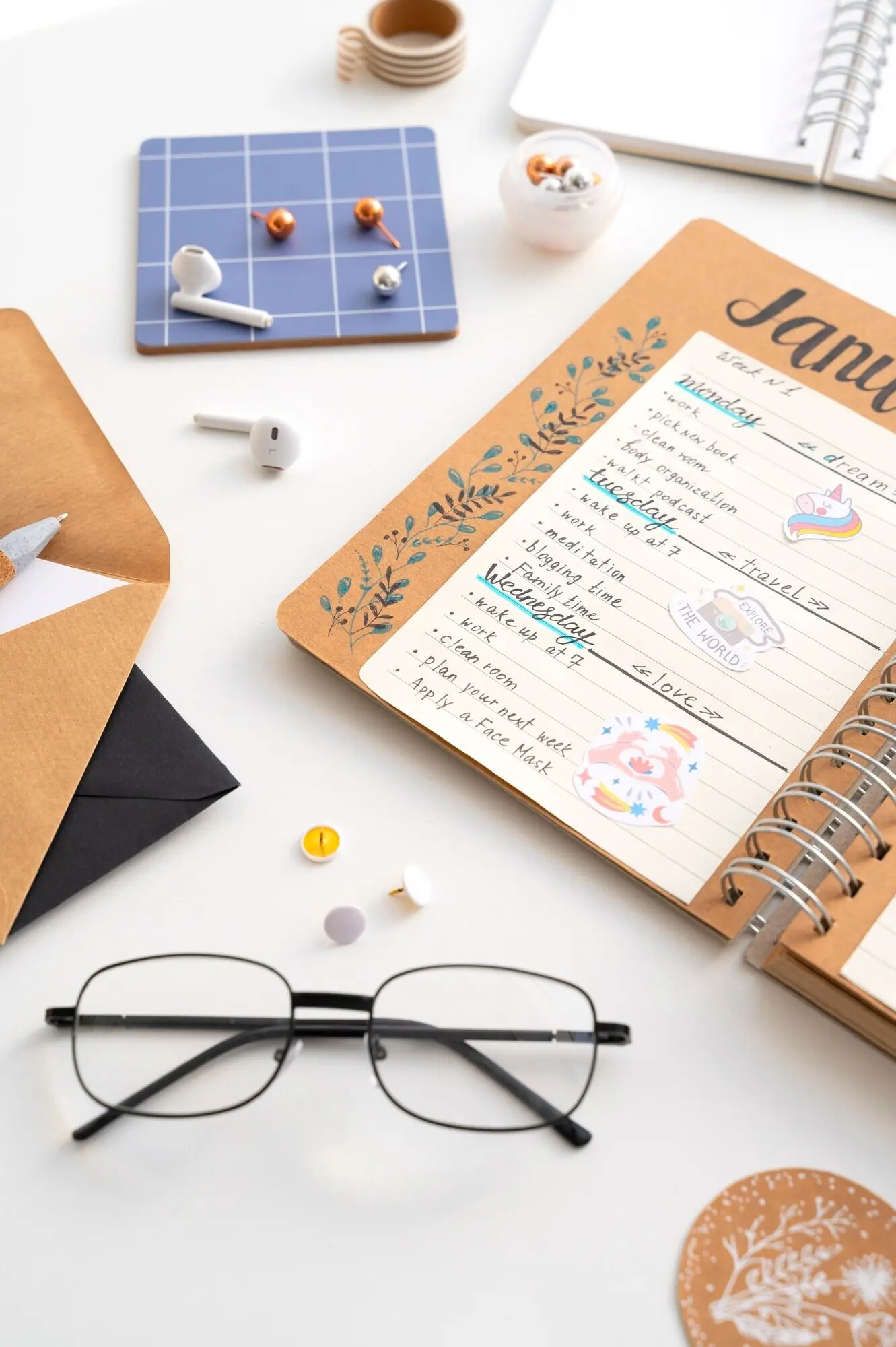
Rather than chasing novelty, rely on a few sturdy patterns refined by practitioners: a flexible Bullet Journal for tasks and logs, an analog Zettelkasten for atomic ideas and links, and Cornell notes for lectures or meetings. Adapt intentionally, document choices, and show your layouts to invite constructive feedback.

Choosing the Right Notebook for the Job

Graph for diagrams, dot grid for structure, ruled for generous writing, and blank for sketch-heavy sessions. Consider lay-flat binding, page numbers, and a color that signals context. Separate work and personal volumes or use bold section tabs. The best choice is the one you maintain effortlessly.

Pens, Pencils, and Inks That Encourage Flow

Test a small range until you stop thinking about the instrument. Needlepoint pens favor small handwriting; soft pencils reward pressure-sensitive shading; archival inks survive years. Avoid smear-prone combinations. Keep a single pen clipped to your notebook, lowering activation energy so capture happens instantly, even during hallway conversations.

Workflows for Real Lives and Roles

Different responsibilities demand different cadences. Students balance lectures and deadlines; managers juggle meetings and decisions; creatives protect big stretches for messy exploration. We outline adaptable loops that remain stable under pressure. Use them as starting points, then report back with tweaks that fit your calendar and energy.

Keeping It Alive: Maintenance, Archiving, and Hybrids

Systems last when they are easier to continue than to abandon. Light daily closure, weekly pruning, and quarterly refactoring sustain clarity. Selective digitization creates search, sharing, and backups without diluting the handwriting advantage. We recommend gentle automation and predictable containers so your future self always trusts what is stored.
Laxukalimivifetituralu
Privacy Overview

This website uses cookies so that we can provide you with the best user experience possible. Cookie information is stored in your browser and performs functions such as recognising you when you return to our website and helping our team to understand which sections of the website you find most interesting and useful.